World ID Brings Human Verification to Robots Through peaqOS
Covered by 2 sources · 2 articles
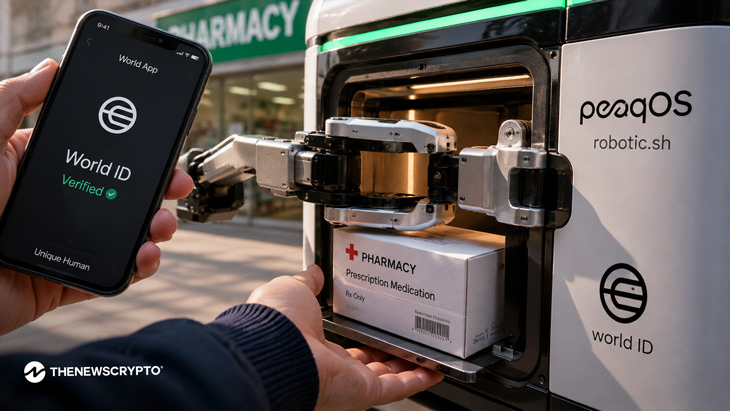
PeaqOS, an operating system for autonomous machines, has integrated World ID, a digital identity verification system, to enable robots to confirm they're interacting with genuine humans while preserving privacy. The integration uses zero-knowledge proofs, meaning autonomous systems can validate human uniqueness without collecting personal data like names or facial information. This addresses a practical concern for machine-to-human interactions in an increasingly automated environment.
The pairing reflects growing interest in privacy-preserving identity solutions within decentralized systems. Rather than machines storing sensitive user information, the verification happens cryptographically, with only confirmation of humanity transmitted. The integration signals how identity infrastructure designed for crypto use cases can extend into robotics and IoT applications.
- PeaqOS robots can now verify human interactions using World ID's zero-knowledge proofs without accessing personal data.
- The integration prioritizes privacy in machine-human transactions by confirming identity rather than identity details.
- The partnership demonstrates identity verification infrastructure expanding beyond traditional blockchain use cases into autonomous systems.
All coverage

PeaqOS and World ID Bring ZK Proofs to Autonomous Robots
An integration between PeaqOS and World ID allows autonomous machines to verify that they are interacting with real, unique humans without collecting personal data. Zero-Knowledge Identity Verification for Robotics Autonomous machines can n…
World ID Brings Human Verification to Robots Through peaqOS
World ID, a digital proof-of-human system developed by World, has been integrated with peaqOS, allowing autonomous robots and machines to verify that they are interacting with a real human without receiving the person’s name, face or other…