Rupee Opens Lower as Renewed US-Iran Tensions Push Oil Prices Higher
Covered by 2 sources · 2 articles
The Indian rupee weakened against the US dollar following escalating geopolitical friction between the US and Iran, which lifted crude oil prices globally. This type of risk-off sentiment typically pressures emerging market currencies as investors seek safer assets. For India, higher oil costs carry particular significance given the country's substantial import dependence for energy needs, creating headwinds for both the currency and broader economic conditions.
The rupee's depreciation reflects how geopolitical shocks transmit through financial markets. When oil prices rise due to supply concerns, energy-importing nations face dual pressure: currency weakness as capital flows shift, and inflation risks from elevated import costs. India's position as a major oil importer makes its currency especially reactive to Middle East tensions.
- Geopolitical tensions between the US and Iran drove oil prices higher, triggering weakness in the rupee as markets repriced risk assets.
- Energy-importing economies like India face compounded pressure from both currency depreciation and inflationary effects of costlier oil imports.
All coverage

U.S. strikes on Iran send oil prices higher, futures lower
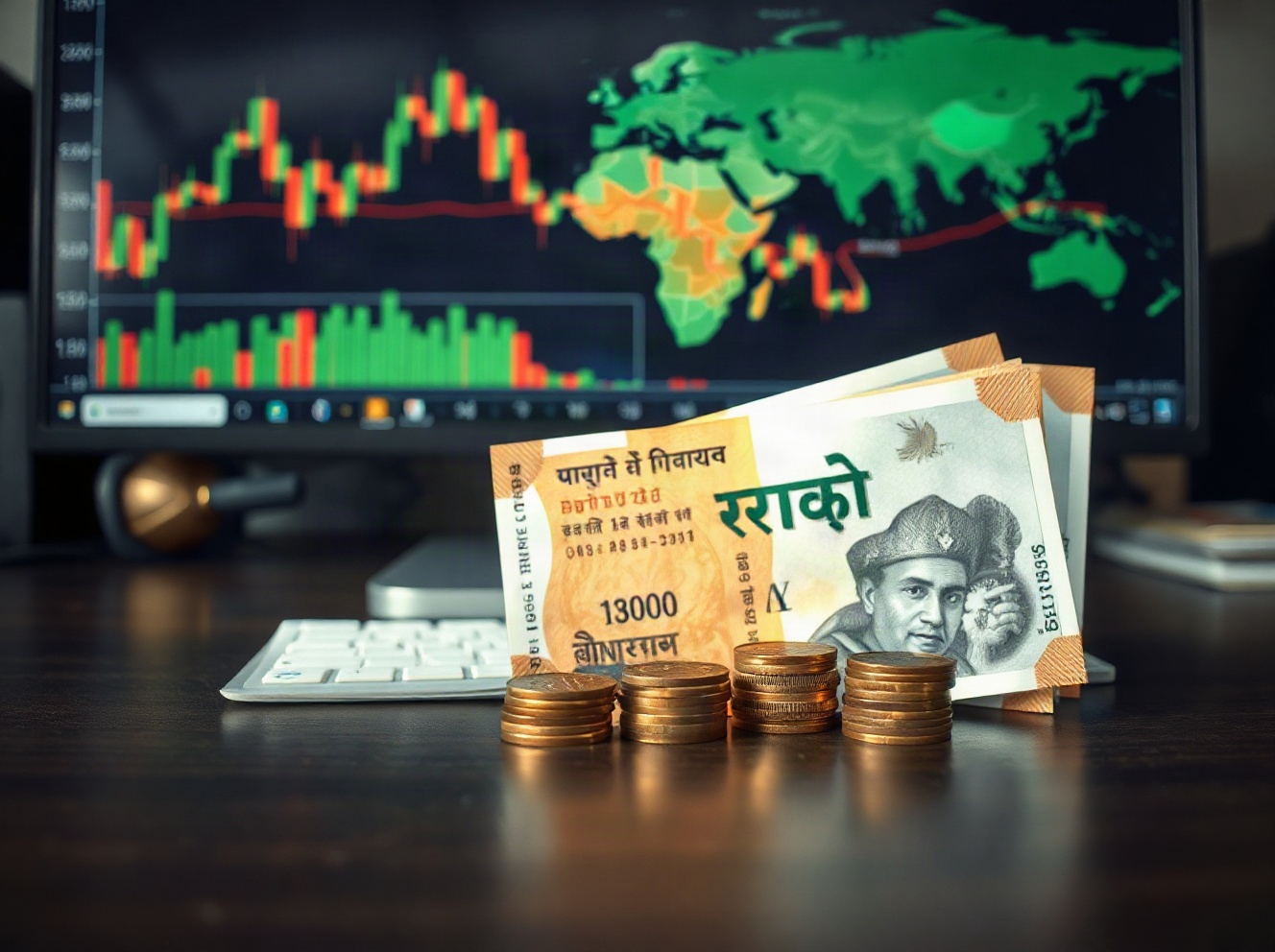
Rupee Opens Lower as Renewed US-Iran Tensions Push Oil Prices Higher
BitcoinWorld Rupee Opens Lower as Renewed US-Iran Tensions Push Oil Prices Higher The Indian rupee opened weaker against the US dollar on [Date], as renewed geopolitical tensions between the United States and Iran pushed global oil prices h…